


100% Fee-Free Service
FCA Authorised (No. 1011890)
Access to 1,000+ Products
End-to-End Support
5-Star Rated Advisers
First Time Buyer Mortgage Broker

Real Advice for Your First Mortgage, From People Who Do This Every Day

Buying your first home comes with a language of its own. Fixed rate, tracker mortgage, loan to value, AIP, stamp duty relief, arrangement fees. It's a lot to take in when you've never done it before, and most people are expected to just know it.

That's where a first time buyer mortgage broker earns their keep. At Alexander Southwell Mortgage Services we sit down with you (in person, on a video call or over the phone, whatever suits), get to know your personal circumstances, and work out exactly how much you can borrow and what it will cost each month. Then we compare first time buyer mortgages across the whole market to find the right deal for you, not just the first lender that says yes.

We don't charge you a penny for this. We're paid by the lender once your mortgage completes, so you get the same advice, the same lender access and the same support as anyone paying a broker fee, without the fee.

Most of our first time buyers come to us with the same three questions: how much deposit do I really need, how much can I borrow, and can I actually afford it? This page answers all three honestly. If you'd rather just talk it through, the form on this page takes a few minutes and we'll call you back. And you'll always deal with a named adviser: we don't hide behind an app or a personalised mortgage dashboard.

Jamie Alexander, CeMAP qualified mortgage adviser at Alexander Southwell Mortgage Services

Written by Jamie Alexander, CeMAP

Director and Mortgage and Protection Adviser, Alexander Southwell Mortgage Services. FCA No. 1011890. Last reviewed September 2026. About us

"I've helped hundreds of first time buyers get their first mortgage, and I wrote this page to answer the questions I get asked most. If something isn't clear, call me."

"We will never charge you a penny for our service. We're 100% fee free mortgage brokers."

Why use a broker

Why Use a First Time Buyer Mortgage Broker Instead of Going Direct?

You could walk into your bank and apply for a mortgage tomorrow. Plenty of people do. The problem is that one bank has one set of rules, one range of interest rates and one view of your finances. If you don't fit, you get a no, and you're none the wiser about who would have said yes.

House keys and keyring on a kitchen table after a first time buyer mortgage completes

We compare 100+ mortgage lenders, not one

High street banks, building societies and specialist lenders all have different criteria. Some are happy with a 5% deposit, some want 10%. Some like new build flats, some don't. We know which lender suits which buyer, which saves you a failed attempt to get a mortgage and wasted credit checks.

Fee free means fee free

We don't charge a broker fee, an admin fee or any other fees. The lender pays us a procuration fee when your mortgage completes, and we tell you what that is. The mortgage rates you get through us are the same as, or lower than, going direct, and we can quote you the latest rates on the day.

We know which lenders stretch further on income

Most lenders cap borrowing at around 4.5 times your income. A handful now lend up to 5.5 or 6 times income to first time buyers who meet their minimum earnings and deposit rules. Knowing where those doors are, and whether you fit through them, is a big part of what we do.

We handle the paperwork and chase the lender

Payslips, bank statements, proof of deposit, ID. We tell you exactly what to send, package everything properly when you apply for a mortgage and chase the lender and underwriters so you're not stuck refreshing your inbox for weeks.

Mortgage and protection adviser in one

Once you've got a mortgage, you've got a debt that needs paying whether you're working or not. As a mortgage and protection adviser we'll talk you through life insurance, income protection and buildings insurance, so your new home and the people in it are covered from day one.

Regulated advice you can rely on

We're authorised and regulated by the Financial Conduct Authority (FCA No. 1011890). Our recommendation has to be suitable for you, and we put the reasons for it in writing, so you're never just taking our word for it.

Savings jar and model house representing a first time buyer saving a mortgage deposit
Deposits

How Much Deposit Do You Need for a First Time Buyer Mortgage?

The honest answer is: it depends, and it's probably less than you think. Most first time buyers we help buy with a deposit of between 5% and 15% of the property price. A bigger deposit gets you a lower loan to value (LTV), which usually means lower mortgage rates and more lenders to choose from, but waiting years to save 20% isn't always the right call if prices and rents keep rising.

5% deposit (95% LTV)

The minimum most lenders accept. On a £250,000 home that's £12,500. The mortgage guarantee scheme, made permanent in July 2025, encourages lenders to keep 95% mortgages on the shelf. Rates at this level are higher and criteria tighter, but for many buyers a 5% deposit is what gets them out of renting.

10% deposit (90% LTV)

This is where the market opens up. Far more lenders, cheaper interest rates and more flexibility on things like new build flats or shorter credit history. If you can get to 10%, it's often worth a few extra months of saving money. If you can't, don't let it stop you: we help people buy with 5% every week.

15% to 25% deposit

Every 5% you add tends to unlock a slightly lower rate band. At 25% deposit (75% LTV) you're looking at close to the best rates on the market, and your monthly payments will be noticeably lower for the same house.

Gifted deposits and family help

A first home deposit gift from a parent, grandparent or other family member is very common and lenders are comfortable with it, as long as it's a genuine gift and not a loan. The family member signs a short letter confirming that. If family can't gift cash but earn well, a joint borrower sole proprietor mortgage or a guarantor mortgage may let their income support your application without them owning a share of your home.

Saving for a deposit? A Lifetime ISA lets you save up to £4,000 each tax year with a 25% government bonus (up to £1,000 a year) towards a first home worth up to £450,000. You'll need to have held it for at least 12 months before you use it. The Treasury is consulting on a replacement First Time Buyer ISA from 2028, but the Lifetime ISA remains open now, so there's no reason to wait.

Free tool

First Time Buyer Mortgage Calculator: Deposit, Borrowing and Monthly Payments

Use our online mortgage calculator to get a quick idea of where you stand before we speak. It's free, there's no sign up, and nothing is saved. Enter the property price, your deposit and your income (add both incomes for a joint mortgage) and it works out your deposit percentage, your LTV, what you may be able to borrow at different income multiples, and an example of the monthly mortgage repayments.

Deposit
10%
LTV 90%
Mortgage needed
£225,000
4.5 times your income
Stamp duty estimate
£0
England and NI, first time buyer relief
Borrowing at 4.5x income
£225,000
Most lenders
Borrowing at 5.5x income
£275,000
Some lenders, minimum income rules apply
Borrowing at 6x income
£300,000
A few lenders, income and deposit rules apply
Illustrative monthly payment
£1,140 a month on repayment (£844 interest only)
The mortgage you need is within the range most lenders offer.

This calculator is for illustration only and is not financial advice or a lending decision. Lending depends on your full circumstances, credit history, outgoings and the lender's criteria. The interest rate shown is an example, not a quote. Speak to us for a personalised figure.

Your home may be repossessed if you do not keep up repayments on your mortgage.

All the costs

All the Costs Involved in Buying Your First Home (Not Just the Deposit)

The deposit is the big number, but it's not the only one. Before you commit, you should know the overall cost of getting from offer accepted to moving in, so you can plan your money and be confident you can afford the whole thing. Here's what to budget for.

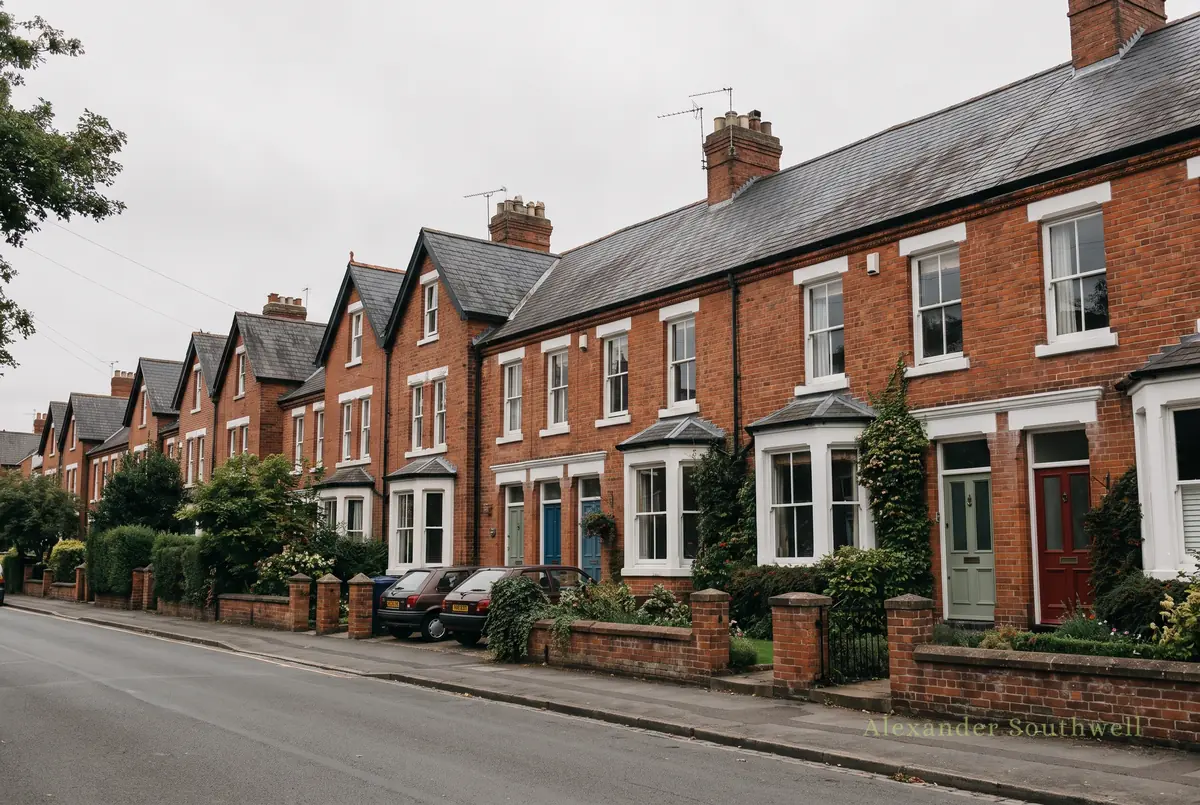
Row of terraced homes in Hampshire of the type popular with first time buyers

Stamp duty

In England and Northern Ireland, first time buyers pay no stamp duty on the first £300,000 of a home costing up to £500,000, and 5% on the portion between £300,000 and £500,000. Buy above £500,000 and you lose the relief entirely and pay stamp duty at standard rates. Scotland (LBTT) and Wales (LTT) have their own systems and thresholds. Try our stamp duty calculator for your exact figure.

Legal fees and conveyancing

A solicitor or conveyancer handles the legal work involved: searches, contracts, transferring the money and registering you as the owner. Budget roughly £1,000 to £2,000 including searches and Land Registry fees, more for a leasehold property because there's extra paperwork with the freeholder.

Valuation fee and survey

The lender values the property to check it's worth what you're paying. Many first time buyer mortgages include a free valuation. A survey is different: it's for your benefit, and a Level 2 survey (£400 to £900) can flag damp, roof or electrical problems before you're committed.

Arrangement fee (product fee)

Some mortgage deals charge an arrangement fee, typically £0 to £1,499. A deal with a fee often has a lower rate, so we compare the total cost over the fixed period rather than just the headline rate. You can usually add the fee to the loan, but you'll pay interest on it.

Buildings insurance

Your lender will insist on buildings insurance from the day you exchange contracts on a freehold house, because you're responsible for the building from that point (for flats it's usually arranged by the freeholder and paid through your service charge). Contents cover is optional but sensible.

Leasehold extras: ground rent and service charge

Most flats are leasehold. You'll pay a service charge for shared areas and maintenance, and possibly ground rent, although new leases since 2022 can't charge it. Lenders also care about the lease length: under about 80 years and your choice of mortgage shrinks. We check the lease agreement details with your solicitor early.

Moving and setting up

Removals, new furniture, broadband, and your first council tax and utility bills all land in the same month. Keep a buffer of a few thousand pounds so moving day doesn't wipe you out.

Helping You Buy Sooner

Schemes and Routes That Help First Time Buyers Buy Sooner

There's more first time buyer help out there than most people realise, but eligibility rules are fiddly and the details change. Here are the main routes we use with clients right now. Your adviser will tell you which ones you actually qualify for rather than leaving you to work it out.

🤝

Housing Association Route
Shared Ownership

Shared Ownership lets you buy a share of a home, usually between 25% and 75% (some newer homes allow 10%), from a housing association and pay rent on the part you don't own. You only need a deposit on your share, so on a 40% share of a £300,000 flat a 5% deposit is £6,000 rather than £15,000.

Minimum Share
25% (10% on some homes)
Typical Deposit
5% of your share
Max Share Purchase
Up to 75%

Over time you can buy more shares, known as staircasing, by borrowing more from your mortgage lender or paying cash, until you own 100%. Your monthly costs are your mortgage on your share plus rent on the housing association's share plus a service charge, so we always run the full figure with you before you fall in love with a flat. Read more on our Shared Ownership mortgages page. Housing association tenants may also have a Right to Acquire or Right to Buy discount, which we cover separately.

🏗

Discounted New Builds
First Homes Scheme

First Homes sells selected new build homes in England to first time buyers at a discount of at least 30% below market value. Your household income must be under £80,000 (£90,000 in London), you need a mortgage for at least half the discounted price, and some councils add a local connection or key worker priority.

The discount stays with the home. When you sell, the next buyer must also be an eligible first time buyer and gets the same percentage off, so you won't get the full open market value back.

Availability is limited and varies by council, so it's not something to bank on, but when a First Homes plot comes up in the right area it can be a genuine shortcut onto the property ladder. See our First Homes Scheme guide for the pros, cons and costs.

🏘

Other Ways In
Small Deposit Mortgages and Family Support

Since Help to Buy closed to new applicants, low deposit lending has mostly come through the market itself. The mortgage guarantee scheme (now permanent) backs 95% mortgages, so 5% deposits are widely available. A few lenders go to 95% or even 100% where a family member puts savings or their own home's equity up as security instead of you finding a deposit.

Family help doesn't have to mean cash. A joint borrower sole proprietor mortgage lets a parent's income boost what you can borrow without them being on the deeds, and guarantor mortgages work in a similar way. Still paying off an old Help to Buy equity loan? Our Help to Buy remortgage team can help with that too.

What Is an Agreement in Principle (AIP)?

An AIP is a lender saying, in writing, that based on a credit check and the income and outgoings you've declared they'd expect to lend you a certain amount. It isn't a guarantee, and it isn't a formal mortgage offer, but it's the closest thing to one before you've found a house.

Getting one through us takes a few minutes of your time once we have your details, and most lenders come back the same day. We'll also tell you the indicative monthly mortgage payments so you know what you're committing to.

Why it matters:
 Estate agents will ask to see it. Show estate agents a valid AIP and you're taken seriously, because it proves a lender has already looked at you. Without one, a competing buyer who has one will usually win.

Step by Step

How the Mortgage Application Process Works for First Time Buyers

Nobody explains this bit properly, so here it is. From first call to keys in hand, this is what to expect when you get a mortgage with us, and what we do at each stage so you're not chasing anyone.

1
Initial Consultation

We go through your income, outgoings, credit history and what you want to buy. We'll tell you how much you can borrow, what it will cost each month and which type of mortgage suits you, in plain English.

2
Agreement in Principle

We pick a suitable lender and get your AIP. Most come back within a few minutes to 24 hours. You're now ready to view homes and make offers with confidence.

3
Property Search & Offer

You find the home you want and put your offer in. The estate agent checks your AIP. Once your offer is accepted, we apply for a mortgage in full straight away.

4
Full Mortgage Application

We gather your documents (payslips, bank statements, ID, proof of deposit), submit everything and deal with any underwriter questions. The lender books a valuation.

5
Mortgage Offer Issued

The lender issues your formal mortgage offer. We check it with you and send it to your solicitor. Typically 2 to 4 weeks from applying, faster with some lenders.

6
Exchange & Completion

Your solicitor exchanges contracts (legally binding, deposit paid) and then completes the purchase: the money moves, and you collect the keys.

How long does it take?

From offer accepted to keys, plan for 3 to 6 months. Chains, leasehold paperwork and slow solicitors are the usual reasons it drags. We track progress and chase on your behalf so you always know where you stand.

Mortgage types

Which Type of Mortgage Is Right for a First Time Buyer?

There are only a few decisions to make here, but they matter. These are the ones we'll talk through with you.

Fixed rate mortgage

Your interest rate stays the same for a fixed period, usually 2, 3 or 5 years, so your monthly mortgage payments won't change even if interest rates rise. Most first time buyers choose this for certainty. The trade-off: if rates fall you're locked in, and leaving early usually means an early repayment charge.

Tracker mortgage and variable rate mortgage

A tracker follows the Bank of England base rate plus a set margin, so your payments rise and fall with it. A discounted variable rate mortgage sits below the lender's standard variable rate. Both can be cheaper at the start but you need the budget to cope if rates go up.

Repayment or interest only?

Almost all first time buyer mortgages are repayment: each monthly payment covers interest plus a chunk of what you initially borrowed, so you own the home outright at the end. Interest only mortgages keep payments lower but you still owe the full loan at the end, and lenders rarely agree to them for first time buyers on an only or main residence.

Choosing your mortgage term

Terms of 30, 35 or even 40 years are now common for first time buyers because they bring monthly repayments down. The cost is more interest over the life of the loan. For example, £200,000 over 35 years instead of 25 costs less each month but tens of thousands more in total. We often set a longer term for breathing room, then use overpayments to bring it back down as your income grows.

When your fixed period ends

When your deal ends you'll roll onto the lender's standard variable rate, which is nearly always more expensive. We'll get in touch around six months before to line up a new deal, either a product transfer with your current lender or a switch to a cheaper one. Our remortgage advice page explains how that works.

Understanding Your Status

What Is a First Time Buyer?

In the UK, you're a first time buyer if you've never owned a residential property anywhere in the world, in the UK or abroad, whether you bought it or inherited it. If you're buying with someone else, both of you must qualify to get the full benefits. The status matters because it unlocks stamp duty relief, discount routes like First Homes, and first time buyer mortgages with lower deposit requirements, cashback or slightly lower interest rates. One exception worth knowing: a first time buyer buy to let is possible with a few lenders, but you lose the stamp duty relief and it's a very different conversation, so see our separate guide.

1

Never Previously Owned a Home, Here or Abroad

Part of a property, an inherited home or a flat owned overseas all count as having owned a property, and so does having owned a property in the UK years ago that you've since sold. If you're not sure, ask us before you rely on the relief.

2

Joint Mortgages and Partners

Buying with a partner, civil partner or friend? If one of you has owned before, you'll lose the stamp duty relief on the whole purchase, though you can still get a first time buyer mortgage product with some lenders.

3

Exclusive Products and Extra Support

Lenders run deals specifically for first time buyers: 5% deposit options, higher income multiples, cashback on completion and, sometimes, lower mortgage rates on energy efficient homes with a good EPC rating.

4

Declare Your Status Honestly

Lenders and conveyancers check your history. Claiming first time buyer status when you're not entitled to it is fraud, and it will be found out at the worst possible moment.

pattern
Top tips

Our Top Tips for First Time Buyers (Learned the Hard Way, by Other People)

After hundreds of first purchases, the same avoidable problems come up again and again. Here's how to improve your chances and keep the whole thing calm.

Check your credit report before a lender does

Use a full three agency report (we use CheckMyFile) and look for errors, old defaults or accounts you'd forgotten. Fixing a wrong address or an unpaid £20 phone bill now is a lot easier than explaining it to an underwriter later.

Get on the electoral roll

It's free, it takes minutes online, and it's one of the biggest quick wins for your credit history. Lenders use it to confirm who you are and where you live.

Don't take out new credit in the run up

A new car on finance, a buy now pay later spree or a fresh credit card three months before you apply can knock thousands off what you're able to borrow, and make the difference between getting a mortgage and not. Sit tight until the keys are in your hand.

Budget for all the costs, not just the deposit

Stamp duty, legal fees, survey, buildings insurance, removals and a furniture fund. Set your property price based on the total, not the deposit alone, so the home buying costs don't catch you out.

Get your AIP before you book viewings

It stops you falling for something you can't afford, and it puts you ahead of buyers who haven't sorted theirs.

Think about protection early

Income protection and life insurance are cheaper when you're younger and healthier. Sort them at the same time as the mortgage and they're done, rather than something you keep meaning to get round to.

Don't stretch to the maximum just because you can

A lender saying yes to 5.5 times income doesn't mean you should take it. We'll show you what the payment looks like if interest rates rise by 2% so you can decide with your eyes open.

In-Depth Guides

First Time Buyer Guides: Everything You Need to Know

We've broken the whole journey into five focused first time buyer guides, and the first time buyer guides below are free to read with no sign up. Read them in order or jump to the bit that's keeping you up at night. Together they cover every stage of home buying, from saving your first pound to protecting your first home.

FAQ

First Time Buyer Mortgage FAQs

Young couple discussing their first time buyer mortgage options with an adviserpattern

What is a first time buyer in the UK?

How much deposit do I need as a first time buyer?

Can I get a mortgage if I'm self-employed or have bad credit?

What is an Agreement in Principle?

How much can I borrow as a first time buyer?

Do first time buyers pay stamp duty?

Should I choose a fixed rate or a tracker as a first time buyer?

How long does a first time buyer mortgage application take?