What is Buildings & Contents Insurance?

Home Insurance Broker in Southampton

Home insurance is a form of property insurance designed to protect your home and possessions in the event of damages. You can also cover your home and its contents in the event of accidental damage.

If you take a mortgage out to purchase a property, the bank will place a mandatory notice in the offer letter that you have to insure the building. They will also ask your solicitor to check that this cover is in place at the point of exchange of contracts, which is when you are legally responsible for the property.

Buildings and contents insurance can be purchased separately or together depending on your requirements. We can help you to purchase new cover, tailor cover to your personal requirements, or see if we can reduce the cost of your current cover.

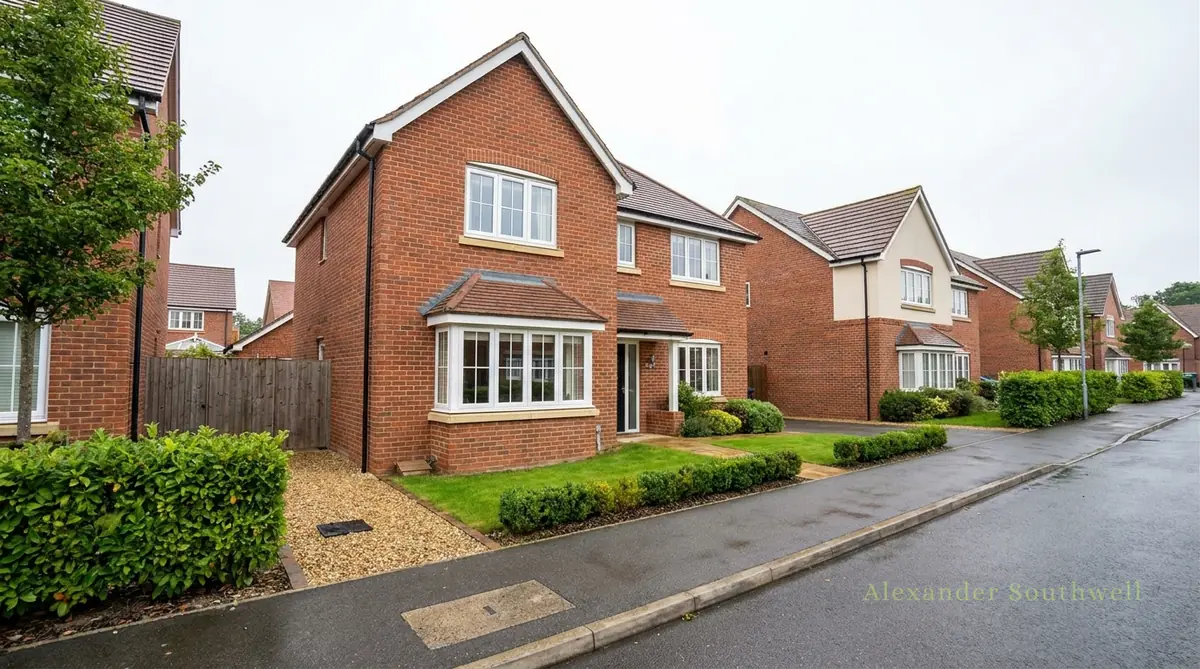
Homeowner reviewing buildings and contents insurance policy in SouthamptonFamily home covered by buildings and contents insurance arranged through our advisers

Do You Need Buildings and Contents Insurance?

If you have a mortgage, your lender will almost certainly require you to have buildings insurance in place as a condition of your loan. Buildings insurance protects the physical structure of your property against damage caused by fire, flooding, storms, subsidence, escape of water and other listed events. Even if you own your home outright, buildings insurance protects one of your most valuable assets against potentially devastating and costly repair bills.

Contents insurance covers your personal belongings inside the home. From furniture and kitchen appliances to clothing, electronics and jewellery, replacing your possessions after a burglary, fire or flood can run into tens of thousands of pounds. Contents insurance gives you financial protection when the unexpected happens, helping you get back on your feet as quickly as possible.

Many homeowners choose a combined buildings and contents insurance policy because it is simpler and can cost less. We search a wide panel of home insurers to find you competitive buildings and contents insurance, and there is no fee for our advice.

Related protection advice:

We also advise on a full range of protection products. Find out more about life insurance, income protection insurance and critical illness cover insurance, or visit our main mortgage protection insurance page to learn how we can help protect everything that matters to you.

If you have a mortgage, your lender will almost certainly require buildings insurance as a condition of your mortgage offer. It needs to be in place from exchange of contracts, not completion, so arrange it early in the buying process. If you own your home outright, buildings insurance is not a legal requirement, but rebuilding a home after a major fire or flood can cost hundreds of thousands of pounds.

What Does Buildings Insurance Cover?

Buildings Cover

Buildings insurance typically covers the structure of your property against a range of risks. It is important to insure your property for the correct rebuild cost, not the market value, as underinsuring can result in your insurer paying only a proportion of any claim.

Structure: Walls, roof, floors, ceilings, doors and windows are covered against fire, flooding, storms, subsidence and falling trees.

Permanent fixtures:
Fitted kitchens, bathrooms and other permanent fixtures are included as part of your buildings policy.

Fixed glass:
Accidental damage to fixed glass such as windows and doors is typically included as standard within most buildings insurance policies.

Rebuild cost:
Ensure your policy is based on the correct rebuild cost rather than the market value of your home. Rebuild costs can differ significantly from what you paid, and we can help you calculate the right figure.

Home insurance advice from Alexander Southwell Mortgage Services serving Romsey, Southampton and Hampshire

Contents insurance covers the belongings inside your home against theft, loss and damage. Accidental damage cover is usually available as an optional extra and is worth considering if you have young children or valuable items. Most policies will cover:

What is included

What Contents Insurance Covers

Furniture and electrical items

Sofas, beds, televisions, laptops and kitchen appliances that are not fitted.

Clothing and personal items

Everything you would take with you if you moved, usually on a new for old basis.

Jewellery and valuables

Covered up to a single item limit, often £1,000 to £2,000. Higher value items need to be listed separately.

Items away from home

Personal possessions cover is an add on that protects things like phones, bikes and jewellery when you take them out.

Good to know: It is important to ensure your contents are insured for their full replacement value. Many policies also allow you to add specified items cover for high-value possessions such as jewellery, cameras or bicycles. Speak to us and we will help you get the right level of cover in place.

Our Service

How Alexander Southwell Can Help

Whole of market: We search across a wide panel of insurers to find the right level of cover at a competitive premium, explaining everything in plain English so you know exactly what you are covered for.

At every stage: Our service does not stop at completion. We are here to help you review your insurance at renewal and ensure your cover still reflects your circumstances.

Alongside your mortgage: Arranging buildings and contents insurance at the same time as your mortgage means one less thing to organise in an already busy process. We take care of it for you.

Get in touch: Call us on 03300 432428 or complete our contact form to get started. We will be happy to discuss your requirements and find the right cover for your home.

How it works

Buildings And Contents Insurance Explained

Combined or separate policies

Buildings and contents insurance can be bought together or separately. A combined policy is usually simpler and can work out cheaper, and it avoids two insurers arguing over whether damage counts as buildings or contents.

The rebuild cost

Buildings cover is based on the cost to rebuild your home, not what you paid for it. The rebuild cost is often lower than the market value, and your mortgage valuation report usually shows a reinstatement figure to use.

Leasehold flats

If you own a leasehold flat, the freeholder normally insures the building and passes the cost on through the service charge. You still need your own contents insurance.

Flood risk and older homes

Homes in flood risk areas can usually still get cover through the Flood Re scheme. Listed, thatched and non standard construction homes need specialist insurers, which we can help you find.

When cover needs to start

Most lenders want buildings insurance in place from exchange of contracts, because that is when you become responsible for the property. Arrange it as soon as your purchase is agreed.

Excess and no claims discount

A higher voluntary excess lowers the premium but means you pay more towards a claim. Building up a no claims discount can bring the price down over time.

Protecting the rest of your mortgage

Buildings and contents insurance looks after the property. To protect the mortgage payments themselves, see our life insurance and income protection pages, or our main mortgage protection page .

There is no fee for our insurance advice. We compare buildings and contents insurance from a panel of insurers and explain the cover and any exclusions clearly before you buy.